
The story is a familiar one.
Picture this: You’re a sharp, focused business owner in Gauteng, maybe a successful boutique coffee roastery in Maboneng, or a high-end web design firm in Sandton. You know your core business. You’re good at it. But then there’s the public digital outreach.
You really hit the ground running, didn’t you? A solid post or two to start, then a handful of sharp, witty comments peppered throughout the threads. For a while, the likes and follows trickled in. Then reality hit. The algorithms changed. Your engagement flatlined. These days, those accounts aren’t the lively, functional shop window they should be; instead, they’ve become the online version of the dusty storage room you never quite get around to sorting out. It’s a chore. It’s overwhelming. And, worst of all, it doesn’t seem to be generating any actual income. That’s the frustration.
In 2025, it’s no longer enough just to have an Instagram profile. Your business needs a proactive, strategic presence that speaks directly to the South African market—a presence that understands the nuance of load-shedding memes, the rhythm of local trends, and the ubuntu spirit of customer engagement. You need a dedicated focus. You need a manager focused on digital channels. This isn’t just about posting pretty pictures; it’s about converting clicks into cash, and in the uniquely competitive, fast-paced environment of South Africa, that requires expert guidance.
This guide is your deep dive into moving past the “post-and-pray” strategy and building a genuine, profitable digital fortress, tailored for the Mzansi business landscape.
What is Social Media Management, Really?
We often see this question arise, especially with start-ups: what is social media management in the context of a professional services business? The simple answer is that it is the professional process of creating, publishing, promoting, and managing content across various digital channels, as well as monitoring and engaging with the audience.
The complex answer, particularly for South African businesses, is that it’s your brand’s full-time diplomat, market researcher, and sales agent all rolled into one.
It’s about taking those frantic, 10-minute bursts of ‘must-post-something’ activity and replacing them with a meticulously planned strategy that aligns with your quarterly business goals. It encompasses far more than just content creation.
Here’s a snapshot of the core pillars that define true digital channel management:
| Pillar of Management | Description for SA Context | Business Impact |
| Strategy & Planning | Developing a tailored calendar that aligns with local holidays, events, and economic cycles (e.g., Black Friday, elections). | Reduces panic posting; ensures content relevance and maximum impact. |
| Content Creation | Producing high-quality, mobile-first content (videos, graphics) that resonates with local humour and cultural trends. | Increases brand visibility and memorability. |
| Community Management | Responding to comments and DMs quickly and authentically. This is where you build trust, handle complaints, and engage in lekker conversations. | Improves customer service and loyalty; mitigates reputation risks. |
| Analytics & Reporting | Tracking key South African metrics like traffic driven to your local e-commerce store or lead generation within specific provinces. | Provides data-driven insights for smarter advertising spend. |
| Crisis Management | Having a plan for when something goes wrong—because it will. Fast, empathetic, and regionally sensitive responses are crucial. | Protects the brand’s image and reputation. |
If you, as the business owner, are doing all of this yourself, you are not focused on your business. You are essentially working two full-time jobs.
Digital Marketing: Why the Hustle is Different in Mzansi
Globally, the core principles of digital promotion remain the same: target, engage, convert. But the execution, especially in South Africa’s current business environment, demands a localised flavour that many global strategies simply miss. A one-size-fits-all approach is a recipe for expensive failure. We’ve seen this happen often.
It’s not just about language—it’s about connectivity, access, consumer behaviour, and even the cost of data. Our market is incredibly diverse and highly mobile-centric. By early 2025, the country will boast more than 50 million internet users. Considering that almost all of this online engagement happens on phones, a mobile-first content strategy isn’t just a good idea—it’s absolutely essential.
The Local Landscape: Getting a Handle on Platform Dynamics
Picking the correct social media platforms means more than just knowing where your customers are; you have to understand how they are actually interacting within those spaces. Understanding the unique characteristics of different channels in South Africa is the first step to a winning strategy.
These major platforms each play a distinct role in our marketing strategy:
- WhatsApp: Don’t underestimate this one. While it’s often overlooked as a standard marketing tool, it dominates as the most used platform by a huge margin. It’s absolutely crucial for direct customer service, sending out order updates, and developing private, segmented communities. We leverage it to genuinely nurture leads and build customer loyalty.
- Facebook: This one is still a powerhouse. It remains essential for achieving broad reach, building communities (especially within its private groups), and running highly targeted advertising that cuts across diverse demographics.
- TikTok: The explosion of short-form video on TikTok continues its incredible rise, driving massive engagement, particularly for brands looking to connect with younger consumers. It’s the place to be authentic, quirky, and fast.
- LinkedIn: Essential for B2B services, professional networking, and showcasing thought leadership in industries like finance, tech, and specialised services.
- Instagram: Still dominant for visual brands (fashion, food, travel) and driving e-commerce via visual storytelling and shopping features.
A good digital manager crafts a strategy that prioritises the platforms where your specific target audience lives. If you’re a B2B firm, spending all your energy on Instagram Reels might be wasted effort, no matter how fun it is. Focus is power.
From Strategy to Story: The Content That Connects

In South Africa, great content often has three elements: relatability, utility, and humour.
- Relatability: Content that touches on shared national experiences (like navigating traffic, the power status, or celebrating a major local event) creates an instant connection. It makes the brand feel human.
- Utility: Providing clear, actionable value. Tutorials, quick tips, local insights, or clear pricing information.
- Humour: A touch of local humour, when appropriate for the brand tone, can drive virality. Nothing connects people like shared laughter.
Your strategy must evolve with the platforms. What works on LinkedIn (a detailed industry analysis) would be completely lost on TikTok. That’s the game-changer.
The Social Media Advantage and Disadvantage: Navigating the Double Edge
You must look at the full, balanced view—the whole picture of social media advantages and disadvantages—before allocating substantial funds and time. It’s simple to get caught up dreaming about a viral hit, but any professional knows that managing the risks needs just as much focus as chasing the opportunities.
The Advantages: Building a South African Brand with Scale
Digital channels deliver a distinct set of upsides, particularly for small-to-medium South African enterprises (SMEs) when they’re trying to compete directly with huge corporations.
- Cost-Effective Advertising: Forget traditional media (radio, print, or billboards). When you use platforms like Facebook and Instagram to run highly targeted, geo-specific campaigns, you’ll see a seriously reduced cost-per-acquisition (CPA). Hitting a precise group of people—say, in Pretoria East or the Cape Town CBD—can be done for just a tiny percentage of what the old channels cost.
- Authentic Customer Connection: These platforms make real-time, direct, and truly human interaction possible. When you answer a customer question in a minute, you have the power to flip a potential critic into a loyal, dedicated advocate. That kind of immediate feedback is priceless for improving your products and services.
- Unparalleled Audience Insights: The integrated analytics tools on the platforms hand you incredibly rich data about your audience: their exact age, where they live, when they’re most active, and what kind of content they prefer. This data is the gold standard for refining your strategy and is essentially free market research.
- Increased Brand Visibility & Reach: A strong presence boosts your overall search engine optimisation (SEO) efforts and, more importantly, keeps your brand top-of-mind. When a local competitor is searching for a service, if your brand consistently appears on their LinkedIn feed, you’ve already won half the battle.
The Disadvantages: The Pitfalls of Digital Presence
Ignoring the downsides is naive. The challenges are real, but a sound strategy can manage them.
- Time and Expertise Drain: Let’s be clear—this is the most significant factor. When a business owner tries to be their own channel manager, they’re actually pulling time and focus away from the critical activities that generate the company’s core revenue. The truth is, effort alone won’t deliver real results if the necessary expertise just isn’t there.
- Reputation Risk and Crisis: One single negative comment—or even a poorly phrased response—can instantly go viral. This risk is even bigger in a highly engaged, socially aware market like South Africa. Dealing with public perception during a crisis demands specific, cool-headed expertise.
- Algorithm Volatility: The platforms are always changing the rules of the game with their algorithms. What was effective just six months ago might totally fail today. This relentless need to adapt can be incredibly frustrating for any business that values stability.
- Data and Connectivity Costs: Even though we’re seeing improvements, both connectivity and data costs continue to be a barrier for reaching certain parts of the market. Marketing campaigns absolutely must be sensitive to the reality that not every user has uncapped fibre—that means the file size of videos and mobile load times are deeply important considerations.
Do You Need a Digital Manager? The South African Business Case
The short answer is yes. The question is not if you need a digital manager, but when and in what capacity.
The need becomes critical when one of the following is true:
- You are posting sporadically. Consistency is the key to the algorithm. If you’re posting five times this week and then silence for two weeks, you are actively harming your long-term reach.
- You are not measuring your effort. You have a thousand followers, but how many of them have visited your website or enquired about your service? If you can’t draw a line from your channel activity to your bottom line, you’re treating marketing as a hobby, not an investment.
- You feel overwhelmed by the need to create fresh, engaging content. In a market saturated with global content, a lack of local, high-quality material makes you invisible.
- Your brand’s reputation is at risk. You’ve had a negative review or a customer complaint left unanswered in the comments section. This is a five-alarm fire that needs professional handling.
A professional manager doesn’t just lighten your load; they shift your approach from tactical (what do I post today?) to strategic (how does this post move a prospective client from awareness to conversion over the next three months?). They are the necessary link between your business goals and the channels that hold your target market.
Hiring In-House vs. Outsourcing to a Social Media Agency
For South African business owners, the choice often boils down to budget, control, and access to diverse skills. Do you hire a dedicated, full-time person, or do you partner with a social media agency?
| Factor | Hiring In-House Manager | Partnering with an Agency (like HAG Web Creations) |
| Cost | High fixed monthly salary, benefits, sick leave, training costs. | Fixed retainer; costs are shared across a team, often more cost-effective for SMEs. |
| Skill Set | Limited to one person’s expertise (e.g., strong writer, weak designer). | Access to a full team: Strategists, copywriters, graphic designers, media buyers, analysts. |
| Local Knowledge | Intimately knows the company profile and culture but often lacks broad industry exposure. | Broad experience across multiple industries and current with all local marketing trends. |
| Scalability | Slow. If they quit or get sick, your marketing stops. | Immediate. The agency team ensures coverage and can scale efforts up or down with your needs. |
Building Your Digital Fortress: Essential Steps for SA Success
Moving forward, your strategy needs to be robust, adaptable, and uniquely South African. Here are the five critical steps a professional follows.
Step 1: Define the Kasi of Your Customer
Know your audience better than they know themselves. If you’re a local business in Centurion, your content needs to speak differently than if you’re a national service provider. Who are you selling to? What are their pain points? What are their daily media habits?
- Focus on Mobile: Remember the SA mobile-first environment. All content must look flawless on a smartphone.
- Targeting Precision: Use platforms’ geo-targeting features to their maximum potential. Don’t advertise your Gauteng-based web development services in the Western Cape unless you have a clear strategy for that market.
Step 2: Develop a Human-First Content Calendar
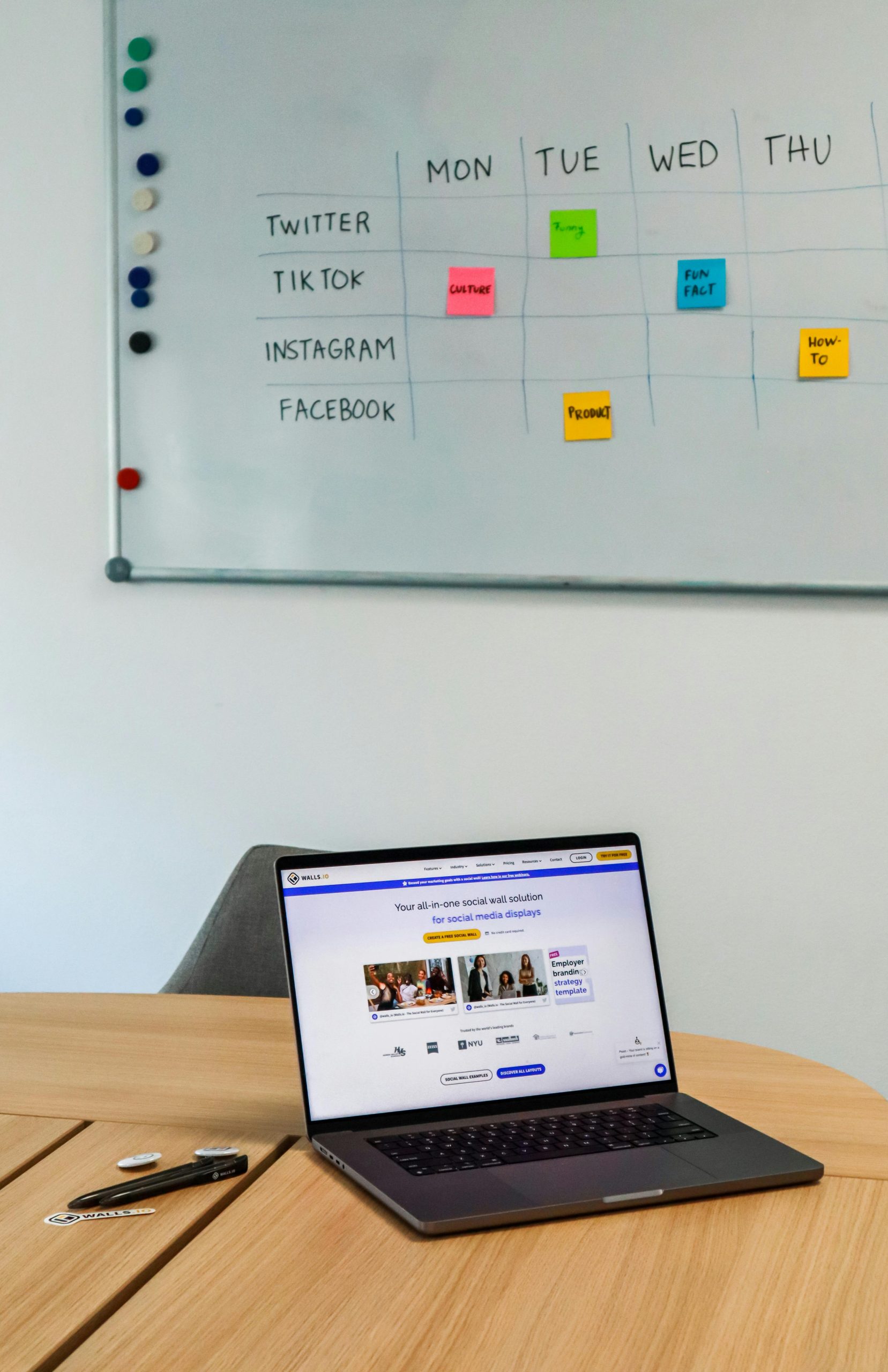
Consistency is not posting every day; it’s posting valuable content on the days your audience is most active. A professional manager organizes a calendar that deliberately mixes up the content types:
- 70% Value: This means educational tips, industry insights, customer spotlights, and behind-the-scenes stories.
- 20% Promotion: Clear, targeted calls to action for your services (think: “Download our free guide on website security”).
- 10% Engagement: Polls, Q&As, quick facts, and conversation starters focused on the community.
Pro-Tip: Try scheduling your posts around the end of the month or near major economic events when people are more likely to make buying decisions. The timing of your post is absolutely everything.
Step 3: Master the Art of Data-Driven Engagement
Digital communication isn’t a broadcasting channel; it’s meant to be a conversation.
- Response Speed: Set a hard, non-negotiable standard for response times—ideally, under an hour for direct messages. A quick reply makes your brand feel reliable and truly attentive.
- Listen More Than You Talk: Use monitoring tools to keep track of your brand mentions, and also to follow relevant industry keywords. Jump into conversations where your expertise can genuinely add value, even if no one tagged you directly.
- Embrace Short-Form Video: Video engagement is through the roof, and it’s easy to get started. Quick, phone-shot videos with a natural, local feel often do way better than those expensive, highly polished corporate clips. Authenticity wins.
Step 4: Budget for Paid Promotion (The Algorithm Tax)
Organic reach is painfully low, often sitting around 5% of your total following. To actually cut through all the noise, you simply have to pay to play. This is the harsh truth of modern social media marketing.
- Start Small, Test Everything: Don’t throw R10,000 at one single campaign. Instead, spend R500 on five different audience groups or five different pieces of content, and then see exactly which one performs. This kind of testing is the non-negotiable homework of any decent digital manager.
- Goal Alignment: Make sure every single ad campaign is tied to a measurable business goal: lead generation, website traffic, or e-commerce sales. Boosting a post just for likes is vanity—it’s not a strategy.
Step 5: Implement a Professional Reporting Structure
This is where the results (and the accountability) really come into play. Your agency or in-house team should give you reports that use the data to tell a clear story: What action did we take, what was the actual business result, and what are we going to change next month?
- Metrics to focus on:
- Conversion Rate: This is the percentage of people who clicked your link and completed the action you wanted (like submitting a form or buying a product).
- Cost Per Lead (CPL): How much did you pay in ads for one qualified sales lead? This is the most important metric for ROI.
- Engagement Rate: A true measure of content quality. Is the audience caring about what you post?
Why a Local Partner Matters
Choosing a partner like HAG Web Creations in Gauteng isn’t just about convenience. It’s about leveraging local credibility and experience. We understand the specific digital ecosystem of South Africa, from the challenges of fluctuating data costs, to the opportunities presented by massive mobile usage. We can implement a content piece that seamlessly integrates with your website (the importance of internal linking is crucial for SEO, after all) and other services we offer, such as our bespoke web development packages that ensure a seamless transition from social click to landing page conversion. This synergy is what separates a good strategy from a great one.
The Human Element in a Digital World
At the end of the day, you’re not selling to an algorithm; you’re selling to a person sitting in their home, on their phone, probably scrolling during a brief reprieve from a busy schedule. They want to be entertained, informed, and—most importantly—feel like they are interacting with a human being, not a corporate script.
The common mistake we see small businesses make is treating their public social media marketing like a megaphone when it should be a telephone. They blast promotions instead of listening for conversations. They chase vanity metrics instead of focusing on the tangible goal of a loyal customer.
Your brand’s voice, its personality, and its commitment to the local community are your ultimate competitive advantage. A professional digital manager’s job is to craft and amplify that authentic voice with precision and strategic intent. They buy you back the most valuable asset you have: your time. And they give you back your peace of mind, knowing your digital presence is not just ticking a box, but actively building value.
Because in the end, the businesses that adapt fastest and speak most authentically are the ones that win.